Getting Ready for Your Surgery
Dr. Allred's pre-operative class for arthroscopy, ligament and tendon repairs, hand & wrist, and foot & ankle surgery. About 20 minutes, start to finish — work through it in order, then take the knowledge check with the person who'll be helping you.
Make it yours
Two quick questions so this class shows the right phone numbers and the right details for your surgery. Your answers stay on this device.
Where is your surgery?
William Bee Ririe Hospital
6 Steptoe Circle · Ely, NV 89301
(775) 289-3612
Clinic — weekdays, business hours
Emergency Department open 24 hours. After hours with an urgent (not life-threatening) concern, go to the WBRH Emergency Department.
Convergence Health Surgery Center
2098 Idaho Street · Elko, NV 89801
(775) 389-5777
Clinic — weekdays, business hours
Call this line first for anything urgent but not life-threatening outside clinic hours. For a true emergency, call 911 or go to Northeastern Nevada Regional Hospital, Elko.
Memorial Hospital of Carbon County
2221 West Elm Street · Rawlins, WY 82301
(307) 324-8712
Clinic — weekdays, business hours
Emergency Department open 24 hours. After hours with an urgent (not life-threatening) concern, go to the MHCC Emergency Department.
Aspen Mountain Medical Center
4401 College Drive · Rock Springs, WY 82901
(307) 352-8946
Clinic — weekdays, business hours
This is also the after-hours number — call it any time with an urgent (not life-threatening) concern.
Johnson County Healthcare Center
Johnson County Healthcare Center · 497 W Lott St, Buffalo, WY 82834
(307) 684-2228
Clinic — weekdays, business hours
Emergency Department open 24 hours. After hours with an urgent (not life-threatening) concern, call the Emergency Department.
What area is your surgery on?
This shows or hides a few sections — slings, nerve blocks, crutches — so you only read what applies to you.
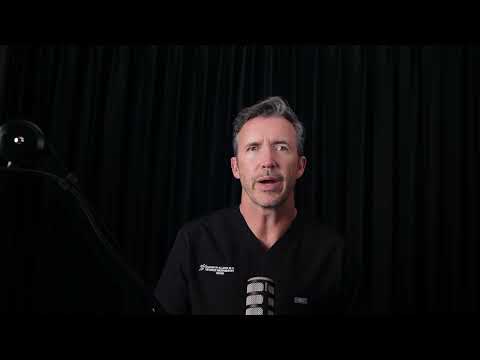
Watch: Welcome to your surgery prep class — on the web version of this guide at darinallredmd.com
Getting Your Body Ready
The operation is our job. A surprising amount of the result is yours — and your part starts weeks before surgery.

Watch: Getting your body ready — on the web version of this guide at darinallredmd.com
- Protein at every meal — about 120 g/day for women, 150 g/day for men (a chicken breast or steak is about 25 g). Keep it up for 4 weeks after surgery — healing tissue is built from protein.
- Start daily vitamins 2 weeks before and continue 8 weeks after: Vitamin C 1,000 mg, Vitamin D 5,000 IU, magnesium glycinate 400 mg.
- If you smoke or vape, stop now. Nothing you do matters more for tendon and tissue healing.
- Diabetic? Tighten your blood sugar. Good control protects you from infection and helps everything heal.
- If something isn't ready, we postpone and fix it. We don't cancel.
Your Medicines
A few medicines interfere with anesthesia or increase bleeding. Here's the plan — when in doubt, call us.
2–4 weeks before
- Prescription blood thinners (Coumadin/warfarin, Eliquis, Pradaxa, etc.): ask the provider who prescribes them whether — and when — to stop and restart. Don't decide this on your own.
- GLP-1 shots (Ozempic, Wegovy, Mounjaro, Zepbound): these slow stomach emptying, which is a risk with anesthesia. Taking one for weight loss only? Stop it at least 2 weeks before surgery. For diabetes? Ask your prescriber when to hold it.
- Schedule your history & physical (H&P) with your primary care provider — required within 30 days of surgery before we can give you anesthesia.
1 week before
- Stop aspirin and anti-inflammatories (ibuprofen, Motrin, Advil, Aleve, naproxen, and similar) — unless your doctor told you to stay on aspirin for a heart stent or similar reason. Tylenol is OK this week.
- Stop blood-thinning supplements: fish oil / omega-3, vitamin E, garlic, ginkgo, ginseng, turmeric/curcumin. Natural does not mean harmless. Keep taking Vitamin C, Vitamin D, and magnesium.
- Rheumatoid arthritis or immune-suppressing medicines? Ask your rheumatologist which to stop and when.
The Skin Washes
Five days of antiseptic washes before surgery — the single most effective thing you personally do to prevent infection.

Watch: The skin washes — on the web version of this guide at darinallredmd.com
- Buy CHG soap (chlorhexidine / Hibiclens 4%) the week before — most pharmacies carry it.
- Start 5 days before surgery: shower normally, then apply a quarter-sized amount of CHG on a clean washcloth from the neck down, rub gently for 3 minutes, rinse. No regular soap after it, no lotion or deodorant after the final washes.
- Clean washcloth, towel, and clothes every time. The night before, sleep on clean sheets.
- Do not shave near your surgical site — or anywhere below the neck — during these 5 days. Tiny nicks are doorways for bacteria. (Facial shaving is fine.)
- One more wash the morning of surgery — plus your nose antiseptic if you were given one.
The Night Before & Morning Of
Show up fueled, hydrated, and clean — it genuinely changes how you feel afterward.

Watch: The night before & morning of — on the web version of this guide at darinallredmd.com
The night before
- Final CHG wash; clean sheets; remove nail polish.
- Eat about 100 g of healthy carbohydrates with dinner (about 5 slices of whole-wheat bread's worth). Diabetic patients: skip this if it will spike your sugar.
- No solid food, gum, or mints after midnight.
The morning of
- Keep drinking: clear liquids — and your Ensure Pre-Surgery Clear Carbohydrate Drink — up to 2 hours before your arrival time, unless your care team tells you differently. (Can't find that exact drink? Skip it entirely — do not substitute juice, soda, or Gatorade.)
- Morning CHG wash. Take your routine medicines with a small sip of water — except diabetes medicines: hold those, but bring them along.
- Jewelry and piercings off, valuables home, loose clothes that fit over a brace or splint. Bring any crutches or brace you already own.
- A nurse will call the week before with your arrival time and personal instructions — please pick up.
What's Different for Your Surgery
Pick your surgery area at the top of the class and this section tailors itself.
Shoulder & elbow surgery

Watch: Your nerve block — on the web version of this guide at darinallredmd.com
- Your nerve block: before surgery the anesthesia team numbs the nerves at the base of your neck. Most patients wake up with almost no pain — and that's the trap. The block wears off suddenly, often in the middle of the night. Start your pain medicine before it wears off, while you still feel great. This is the single most important instruction in this class.
- The sling: you'll go home in one. How long you wear it depends on what we repair — your post-op sheet is the authority.
- Sleep: most shoulder patients sleep better in a recliner, or propped up with pillows, for the first weeks. Set that up before surgery.
- Dress rehearsal: practice pulling a loose button-up shirt on one-handed. You'll be glad you did.
Knee & hip (soft-tissue) surgery
- Crutches: many knee procedures use them for days to weeks. If you already own crutches, bring them; otherwise we provide them at discharge. Practice stairs with a helper before you're tired and sore.
- Ice and elevation are your best friends the first week — set up a spot at home where your leg can rest above the level of your heart.
- Weight-bearing rules differ by procedure — a simple scope often walks right away; a repair may be protected for weeks. Your post-op sheet is the authority, and we'll go over it before you leave.
- Clear the walkways at home now: rugs, cords, clutter. Crutches and loose rugs are a bad combination.
Hand & wrist surgery
Having a carpal tunnel release? It has its own shorter class — the Carpal Tunnel Release Class — because most patients need numbing medicine only, with no fasting. The rest of this page still applies to other hand and wrist procedures.
- Rings off now — on both hands. Swelling after surgery can make a ring dangerous, and we cannot operate with one on.
- Elevation above the heart is the whole game for swelling the first days — prop your hand on pillows, and keep the fingers moving unless we tell you otherwise.
- You'll have a splint or bulky dressing: keep it clean and dry. Plan clothes with wide sleeves, and practice a few one-handed basics before surgery.
- Driving: plan on not driving while you're in a splint on your dominant hand — arrange help for the first stretch.
Foot & ankle surgery
- Your nerve block: many foot and ankle surgeries get a block behind the knee. Same rule as every block: it wears off suddenly — start your pain medicine before it does, not after the pain arrives.
- Plan for limited weight-bearing: depending on the procedure you may be in a boot or splint, on crutches or a knee scooter, for weeks. Sort out your equipment — and how you'll manage stairs, work, and driving — before surgery day.
- Elevation above the heart for the first week is the difference between a comfortable recovery and a throbbing one. Build your couch setup now.
- Keep the dressing clean and dry until we see you back — no exceptions.
Your Pain Plan
Our goal isn't zero pain — it's pain controlled well enough to move, sleep, and do your part in recovery.

Watch: Your pain plan — on the web version of this guide at darinallredmd.com
- Stay ahead of it. Take the scheduled medicines on your post-op sheet at their set times — whether you hurt or not — instead of chasing pain after it arrives. Chasing always loses.
- Tylenol and an anti-inflammatory are the backbone; the narcotic is the backup for breakthrough pain, not the foundation. Less narcotic means less nausea, less constipation, clearer head, faster recovery.
- Ice and elevation are medicine too — use them like a prescription the first week.
- No alcohol while taking prescription pain pills. And don't drive on narcotics — plan your rides.
Warning Signs & When to Call
The most important few minutes of this class. Most recoveries are boring — here's how to recognize the ones that aren't.

Watch: Warning signs & when to call — on the web version of this guide at darinallredmd.com
Call 911 right away for sudden chest pain · sudden shortness of breath or trouble breathing · fainting, confusion, or one-sided weakness. Do not drive yourself. Do not wait to see if it passes.
Call us the same day for
- Fever over 101.5°F, shaking chills, or feeling suddenly much worse.
- Spreading redness around the incision, worsening drainage, or an incision that opens.
- New calf pain or new one-sided swelling in a leg — the blood-clot warning. It often shows up 1–3 weeks after surgery, right when you've stopped worrying. Memorize this one.
- Pain that is getting worse day over day despite the pain plan, or numbness/color changes beyond what we told you to expect.
Normal — not worth panicking over
- Bruising that spreads and changes color, mild swelling that's better in the morning and worse by evening, warmth around the surgical site, poor sleep, and a low mood in week one. All routine.
Business hours: call your clinic. After hours: use the after-hours plan for your location (shown at the top of this class). It is always better to call than to guess.
Your Ride & Your Helper
Anesthesia makes this non-negotiable: no ride and no helper means we may have to postpone your surgery.

Watch: Your coach — watch this one together — on the web version of this guide at darinallredmd.com
- A ride home — you cannot drive yourself, and a rideshare alone doesn't count for anesthesia.
- Someone with you for the first 24 hours (up to 72 for bigger procedures) — helping with meals, medicines, and steadying you while the anesthesia fully clears.
- Watch this class together. Two sets of ears catch what one misses — and your helper is the one who'll actually be enforcing the ice-and-elevation rule.
Your before-surgery checklist
The Knowledge Check
Eight quick questions on the things that keep you safe — do them with your helper. Wrong guesses are fine; you'll see the right answer on the spot. At the end you'll get a completion code to read to the pre-op nurse when she calls.

Watch: The knowledge check — on the web version of this guide at darinallredmd.com
1. What can you have the morning of surgery?
2. Which pain medicine is OK during the last week before surgery?
3. When do the CHG (Hibiclens) skin washes start?
4. True or false: herbal supplements like fish oil and turmeric are natural, so they're safe to keep taking before surgery.
5. What do you need lined up before surgery day?
6. A week after surgery you suddenly have chest pain and trouble breathing. What do you do?
7. Which of these means “call the clinic the same day”?
8. If you have a nerve block, when do you start your pain medicine?
0 of 8 answered
Finish the class
Your first name (optional) Helper's first name (optional)Everything on this page stays in your browser on this device. Nothing you type or answer is sent to us or to anyone else.
Answer all 8 questions and check both boxes first.
Class complete — nice work.
Read this code to the pre-op nurse when she calls:
It tells us you've done the class and how the knowledge check went — so the nurse can focus her time on what you actually need.
Put It All on Your Calendar
Enter your surgery date and add every prep reminder — medicines, washes, the night before, warning signs — to your phone's calendar, timed to your date.
Your prep reminders
Eleven reminders, from four weeks out through your follow-up. Each arrives with a 30-minute heads-up.
Please pick your surgery date first.
Your surgery date stays on this device — nothing is sent to us or anyone else. Change or delete the reminders in your calendar anytime.

Watch: The partnership — on the web version of this guide at darinallredmd.com
Surgery is a partnership. My team brings the operation and the follow-through — you bring the preparation and the patience. Hold up your end, and the odds are strongly in your favor that this goes exactly the way we planned it.
— Darin W. Allred, MD
Questions before surgery?
Call the clinic where you were seen — the numbers are at the top of this class. It is always better to call than to guess.
Book an Appointment